
Why Some Candles Fill a Room and Others Whisper

Today we dive into the science of scent throw in natural wax candles, translating chemistry and flame dynamics into cozy, reliable fragrance. From soy, coconut, and beeswax matrices to wick behavior, fragrance volatility, and curing rituals, you’ll learn why aroma projects, lingers, or fades. Expect practical experiments, maker stories, and evidence-backed tips so your next pour travels farther, smells cleaner, and charms without overwhelm. Share your results and questions—we’re building a community that measures, tweaks, and celebrates every beautifully scented burn.

Molecules on the Move: From Wax to Air

Fragrance reaches our noses when molecules escape the molten pool, mix with rising convection currents, and diffuse across a room. Vapor pressure, molecular weight, and molecular shape govern escape rates, while wick heat and wax structure manage timing. By mapping these microscopic journeys to the macroscopic experience of hot and cold throw, we can predict why some candles bloom quickly, others unfold slowly, and a few disappoint. Understanding this pathway turns guesswork into gentle control, guiding every pour toward bolder presence and graceful evolution.

Natural Waxes Compared: Soy, Coconut, Beeswax, and Blends

Each natural wax hosts aroma differently. Soy’s crystalline network can trap volatiles until heat unlocks them, earning reliable cold presence and thoughtful progression. Coconut’s softer, amorphous character frees fragrance readily, often amplifying projection but demanding wick restraint. Beeswax forms dense lattices, raising melt temperatures and favoring complex, resinous notes while subtly filtering sharp edges. Blends let makers combine strengths, balancing throw, stability, and sustainability. Knowing these personalities transforms random results into intentional, repeatable character.

Wicks as Engines: Heat, Oxygen, and Capillarity

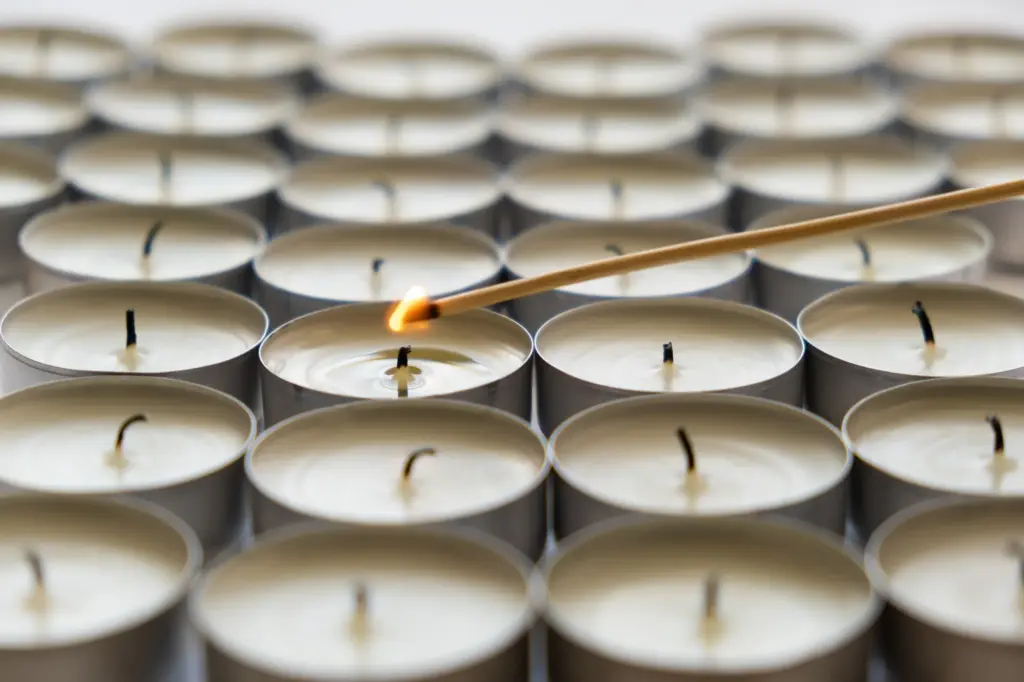
Wicks convert liquid wax into heat, shaping everything from melt pool diameter to oxidation of aroma molecules. Too small and fragrance never escapes; too large and soot, mushrooming, or scorched notes dominate. Fiber type, braid, core stiffness, and curl posture influence flame stability. By reading the flame—height, tip color, dance—and measuring pool width at timed intervals, you can tune heat flux to carry scent effectively, preserving nuance while reaching distant corners of the room.

Sizing and Heat Flux Tuning

Selecting a wick is an engineering decision disguised as a piece of string. Diameter, vessel width, and wax blend define heat demand, while fragrance load and additives change viscosity and fuel behavior. Start conservatively, test incrementally, and log melt pool data at fifteen, thirty, and sixty minutes. The goal is a wide, even pool without overheat, turning fragrance into fine mist instead of burnt echoes.
Wick Materials and Construction

Cotton flats, paper cores, wooden laminates, and specialty braids each manage capillary flow and flame shape differently. Wooden wicks spread heat broadly with gentle crackle, while tightly braided cotton concentrates intensity. Coatings and priming alter ignition and stability. Matching construction to wax viscosity and vessel geometry keeps the combustion zone balanced, improving throw while minimizing soot. Treat wicks as precision components, not afterthoughts.
Mushrooming, Soot, and Combustion Balance

Unburned carbon nodules, grey smoke, or glass haze signal an imbalance among fuel delivery, oxygen, and flame temperature. Downsizing the wick, trimming before relights, and verifying fragrance load often restore clarity. Avoid drafts that tilt flames and cause incomplete combustion. A clean, steady flame preserves delicate top notes and projects confidently without staining the story with fatigue-inducing char.

Fragrance Design: Notes, Carriers, and Safety

Aroma architecture determines how the journey unfolds. Bright tops captivate quickly, heart notes sustain identity, and bases anchor the room. Carriers like fractionated coconut, triacetin, or specialized diluents support solubility in natural waxes. Essential oils and aroma chemicals must respect IFRA guidelines, skin-safety categories, and flash points. By composing with diffusion in mind, you can orchestrate movement from spark to final glow, achieving projection that feels intentional, safe, and emotionally resonant.

Top Notes and Early Perception

Citrus, green, and ozonic materials announce presence before heavier molecules awaken. To avoid vanishing openings, pair sparkling notes with subtle fixatives, or design overlap where lively aldehydes hand the baton to blooming florals. Testing in real rooms matters: noses acclimate, furnishings absorb scent, and airflow edits your composition. Design that first minute thoughtfully and the rest follows more gracefully.

Heavy Bases and Lingering Warmth

Resins, woods, musks, and balsams cling to surfaces and persist in textile fibers, creating memory after the candle cools. Choose bases that complement your wax’s release profile, avoiding muddy thickness. A patient cure strengthens integration, turning separate notes into one resonant chord. Long-burn sessions reveal whether warmth enriches or dulls, guiding tiny adjustments that change fatigue into fascination.

Solvents, Diluents, and Solubility Paths

When a beautiful accord will not dissolve evenly, the issue is rarely magic and usually chemistry. A small percentage of a compatible diluent can bridge polarity gaps and prevent seeding or sweating. Document ratios meticulously, observe clarity over days, and confirm stability across temperature swings. Solubility mastery safeguards throw, appearance, and safety while liberating creative range.

Process Matters: Pour, Cure, and Burn Protocols

Technique locks science into place. Pour temperature guides crystal formation, influencing clarity, frosting, and scent mobility. Slow cooling reduces stress and fractures that trap fragrance unevenly. Curing allows microstructures to relax and unify, often transforming throw from timid to assured. Standardized burn tests—same room, intervals, and trimming—reveal real behavior. Ritualized methods replace luck with learning, so each batch becomes a stepping stone instead of a gamble.

Pour Temperatures and Crystal Seeding

Pouring too hot can blur structure and mute cold throw; too cool can suspend swirls, tunnels, or trapped bubbles. Target a range suited to your wax, pre-warm vessels to avoid shock, and minimize agitation that encourages frosting. Short, purposeful stirring and controlled cooling seed consistent crystals that release scent with confidence rather than hesitation.

Cure Times and Slow Integration

Natural waxes continue settling long after they appear solid. Over days, fragrance aligns within evolving microstructures, smoothing sharp edges and strengthening projection. Track changes by sniffing at twenty-four, seventy-two, and one hundred sixty-eight hours. Many blends bloom dramatically after a week or two. Resist impatience; curing converts potential into harmony you can perceive and trust.

Environment and Vessel: Room, Jar, and Airflow Dynamics

Vessel Geometry and Heat Retention

Wider jars demand stronger wicks to reach edges, while thicker glass behaves like a heat sink that cushions but can starve projection. Tapers and luminaries ventilate differently, shaping convection currents above the flame. Prototype across diameters before committing. Adjust wick series, trims, and session length to tune how scent expands and settles in your chosen silhouette.

Lids, Storage, and Cold Throw Preservation

Lids protect delicate tops from oxidation and slow fragrance migration into air or porous shelving. Cool, dark storage preserves clarity and reduces sweating surprises. Encourage customers to recap between burns and avoid sunlit windowsills. These small habits defend precious volatiles, ensuring that the first sniff after a week remains confident, bright, and emotionally persuasive.

Room Size, Drafts, and Placement Strategies

Open plans dilute quickly; small studies saturate fast. Drafts tip flames, create uneven pools, and scatter molecules before they mingle. Place candles away from vents and corridors, then evaluate scent from multiple spots, seated and standing. If throw feels shy, try height shifts, companion candles, or gentle cross-venting. Share your discoveries, and let’s compare room maps together.

Miravarodarikento
Privacy Overview

This website uses cookies so that we can provide you with the best user experience possible. Cookie information is stored in your browser and performs functions such as recognising you when you return to our website and helping our team to understand which sections of the website you find most interesting and useful.