
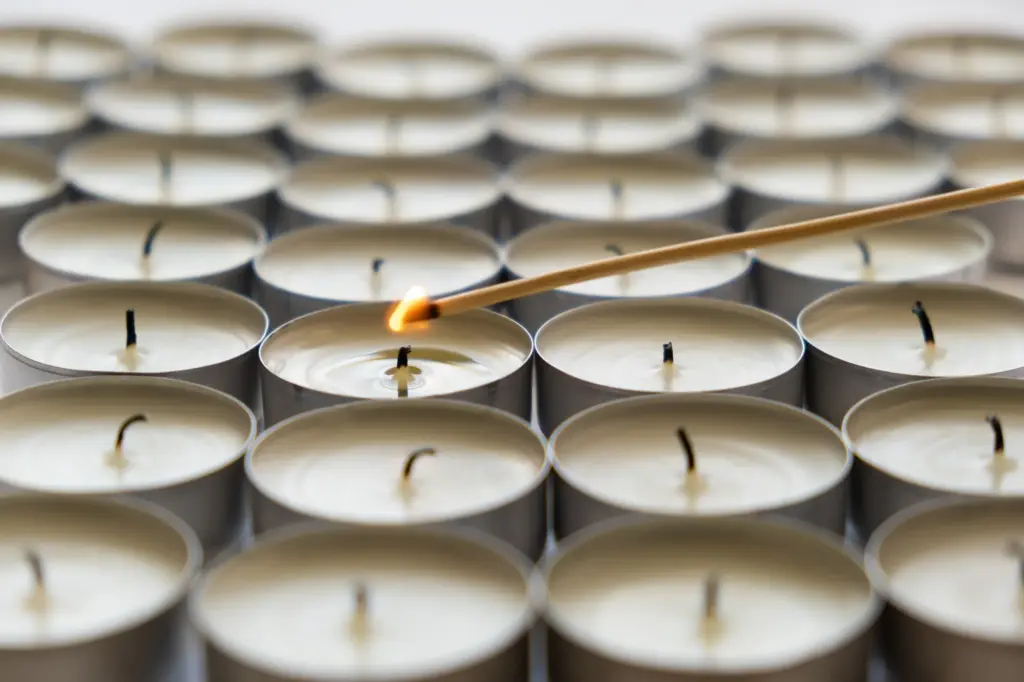

Selecting a wick is an engineering decision disguised as a piece of string. Diameter, vessel width, and wax blend define heat demand, while fragrance load and additives change viscosity and fuel behavior. Start conservatively, test incrementally, and log melt pool data at fifteen, thirty, and sixty minutes. The goal is a wide, even pool without overheat, turning fragrance into fine mist instead of burnt echoes.
Cotton flats, paper cores, wooden laminates, and specialty braids each manage capillary flow and flame shape differently. Wooden wicks spread heat broadly with gentle crackle, while tightly braided cotton concentrates intensity. Coatings and priming alter ignition and stability. Matching construction to wax viscosity and vessel geometry keeps the combustion zone balanced, improving throw while minimizing soot. Treat wicks as precision components, not afterthoughts.
Unburned carbon nodules, grey smoke, or glass haze signal an imbalance among fuel delivery, oxygen, and flame temperature. Downsizing the wick, trimming before relights, and verifying fragrance load often restore clarity. Avoid drafts that tilt flames and cause incomplete combustion. A clean, steady flame preserves delicate top notes and projects confidently without staining the story with fatigue-inducing char.
Pouring too hot can blur structure and mute cold throw; too cool can suspend swirls, tunnels, or trapped bubbles. Target a range suited to your wax, pre-warm vessels to avoid shock, and minimize agitation that encourages frosting. Short, purposeful stirring and controlled cooling seed consistent crystals that release scent with confidence rather than hesitation.
Natural waxes continue settling long after they appear solid. Over days, fragrance aligns within evolving microstructures, smoothing sharp edges and strengthening projection. Track changes by sniffing at twenty-four, seventy-two, and one hundred sixty-eight hours. Many blends bloom dramatically after a week or two. Resist impatience; curing converts potential into harmony you can perceive and trust.
Wider jars demand stronger wicks to reach edges, while thicker glass behaves like a heat sink that cushions but can starve projection. Tapers and luminaries ventilate differently, shaping convection currents above the flame. Prototype across diameters before committing. Adjust wick series, trims, and session length to tune how scent expands and settles in your chosen silhouette.
Lids protect delicate tops from oxidation and slow fragrance migration into air or porous shelving. Cool, dark storage preserves clarity and reduces sweating surprises. Encourage customers to recap between burns and avoid sunlit windowsills. These small habits defend precious volatiles, ensuring that the first sniff after a week remains confident, bright, and emotionally persuasive.
Open plans dilute quickly; small studies saturate fast. Drafts tip flames, create uneven pools, and scatter molecules before they mingle. Place candles away from vents and corridors, then evaluate scent from multiple spots, seated and standing. If throw feels shy, try height shifts, companion candles, or gentle cross-venting. Share your discoveries, and let’s compare room maps together.