Maker Spotlights: Independent Chandlers and Their Signature Blends

Today we spotlight independent chandlers and their signature blends, tracing how small studios craft unforgettable aromas that travel from imagination to flame. Expect stories of experimentation, sourcing, scent architecture, testing rituals, and the intimate decisions behind wicks, waxes, and vessels. Join the conversation, ask questions, and share what fragrances move you most; your memories help shape tomorrow’s limited pours and bold new accords.

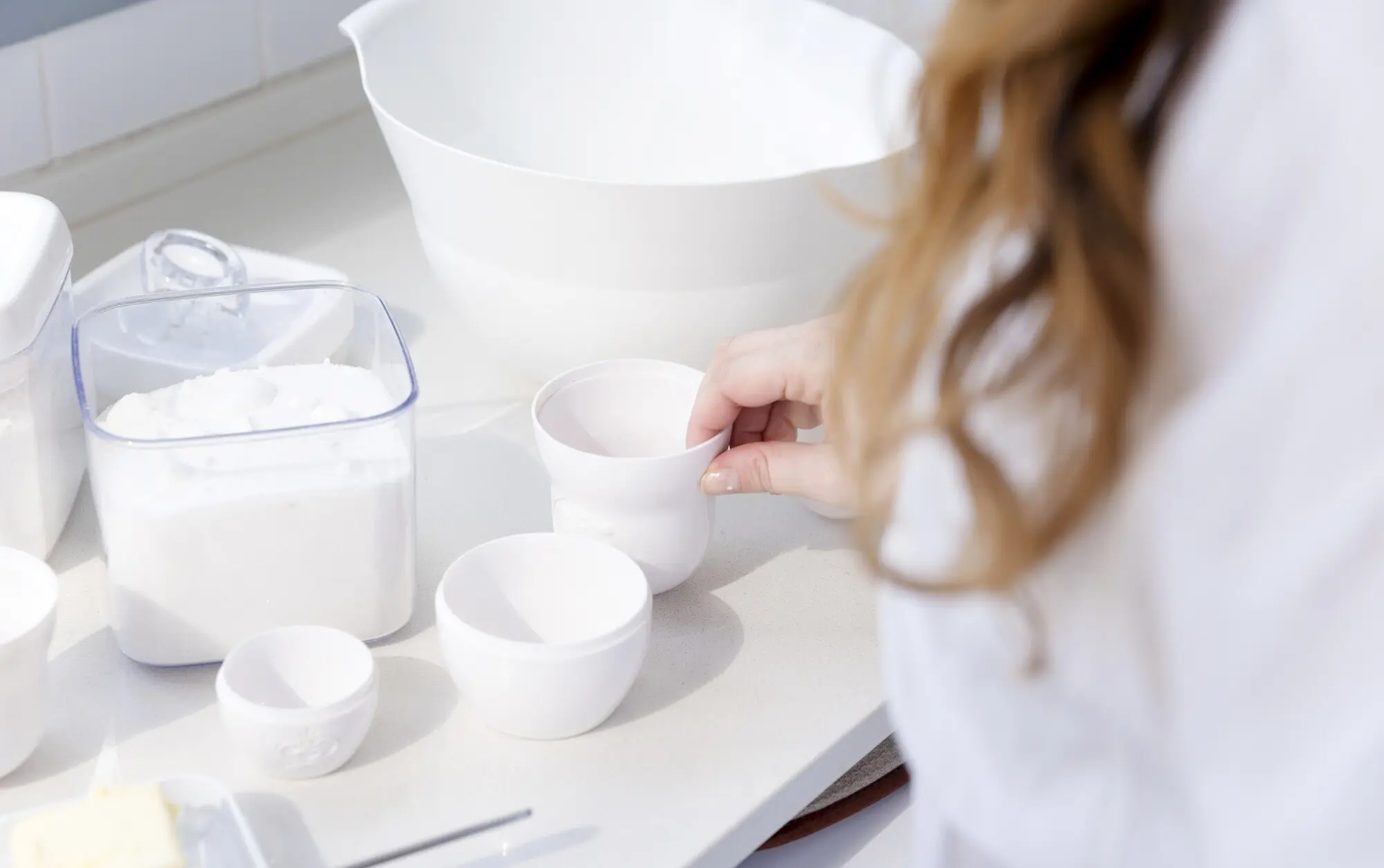
From Kitchen Experiments to Studio Glow

Decoding Signature Blends

Behind every unforgettable candle lies an accord that balances fleeting sparkle with lingering comfort. Makers layer citrus lift over herbaceous hearts and resinous bases, test for hot throw, then fine‑tune percentages until a room feels intentionally arranged. Here we explore anchors, volatility, and the surprising pairings that define modern independent studio identities.

Top, Heart, and Base in Real Life

Instead of abstract charts, imagine peeling a blood orange, crushing rosemary, and opening an old cedar drawer. The first seconds sparkle, minutes feel herbal, hours turn woodsy. A durable signature keeps that journey coherent, from unlit cold throw to final glow near the wick clip.

Building an Accord from Scratch

Start with a calm base—amber, moss, or tonka—then sketch a mood board from films, weather, and textiles. Add contradictory sparks, perhaps shiso with bergamot, to create tension. Lower percentages gradually, curing between tests, until the scent tells a complete story without unnecessary noise.

When an Accident Becomes a Bestseller

A mislabeled pipette once doubled the frankincense in a small batch, unexpectedly rounding a bright spruce into cathedral calm. Testers asked for more. Rather than apologize, the maker documented ratios, renamed the candle, and embraced serendipity as proof that curiosity still leads.

Wax, Wick, and Vessel Alchemy

Choosing a Wax for Throw and Feel

Coconut‑apricot can boost cold throw and produce a creamy top, while pure soy may offer a calmer aesthetic with longer burn times. Blends adjust cost, sustainability stories, and dye behavior. Document how each option supports your notes, then select consistent suppliers to protect future batches.

Wick Taming and Flame Behavior

Coconut‑apricot can boost cold throw and produce a creamy top, while pure soy may offer a calmer aesthetic with longer burn times. Blends adjust cost, sustainability stories, and dye behavior. Document how each option supports your notes, then select consistent suppliers to protect future batches.

Vessels that Serve the Scent

Coconut‑apricot can boost cold throw and produce a creamy top, while pure soy may offer a calmer aesthetic with longer burn times. Blends adjust cost, sustainability stories, and dye behavior. Document how each option supports your notes, then select consistent suppliers to protect future batches.

Testing Until It Sings

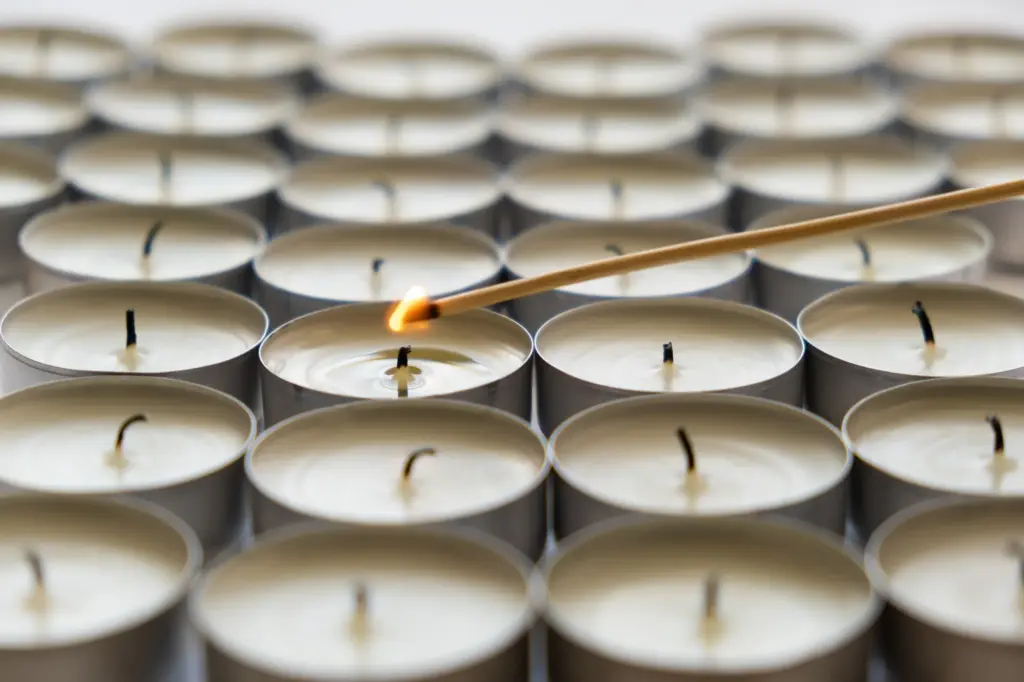
Reliability is a love language. Makers create matrices crossing wick sizes, wax blends, fragrance percentages, vessel diameters, and room conditions, then burn repeatedly to map behavior. The best notes document hours, mushrooming, tunnel risk, and soot, turning observations into repeatable joy customers can trust every season.

The Burn Log Ritual

Write everything. Start weights, ambient temperature, first melt pool timing, wick trims between hours, flame height, jar temperature, and fragrance throw ratings. Photographs add context. Over time these pages reveal patterns, rescuing future batches from failure and translating intuition into shared, teachable craftsmanship.
Temperature, Cure Time, and Patience

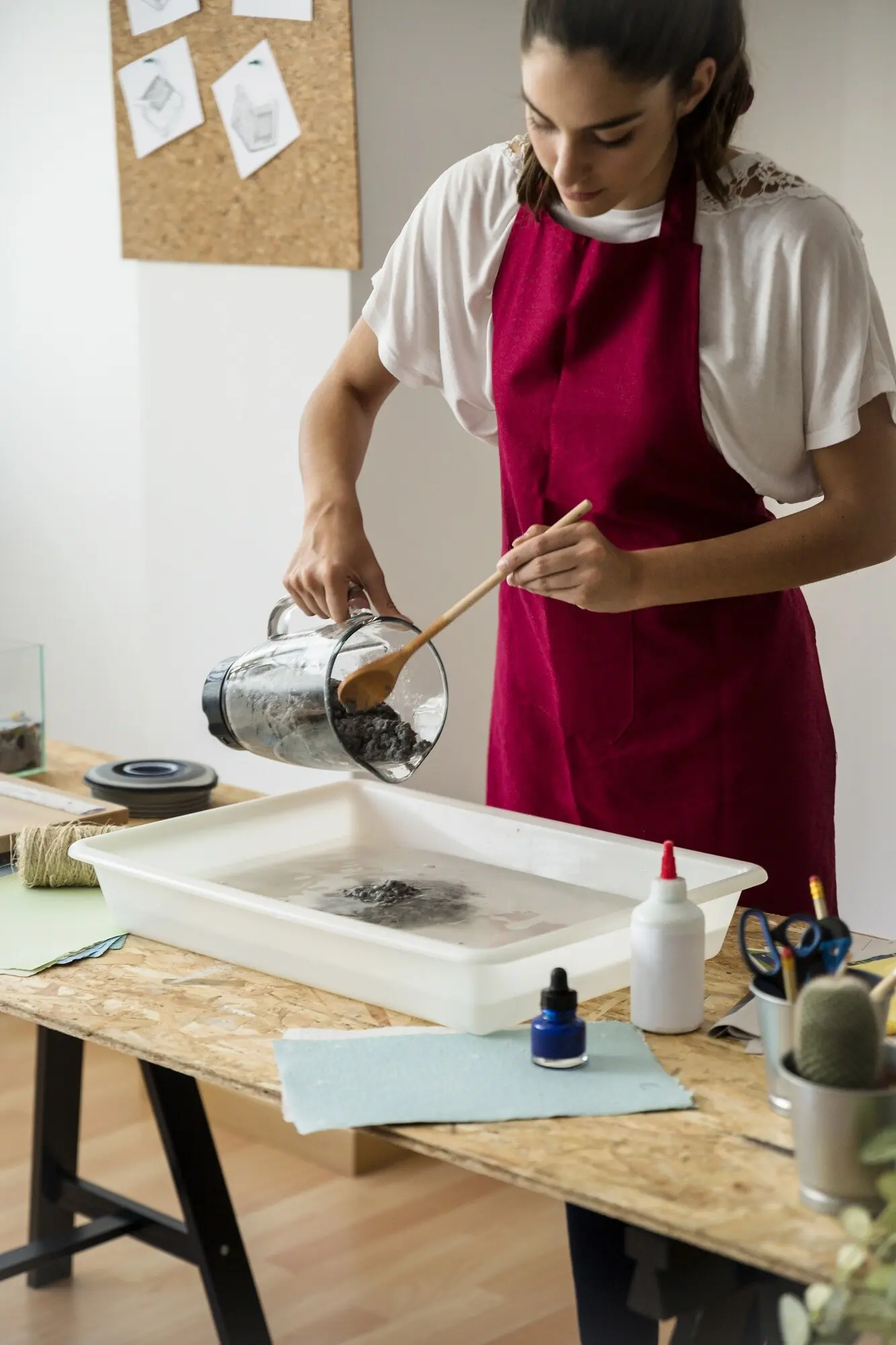
Pour too hot and adhesion suffers; too cool and swirls bloom. Many independents cure for a full week to stabilize matrices and unlock richer throw. Scheduling production around patience becomes strategic, reducing returns and letting each candle greet its buyer fully ready.
Safety First, Always

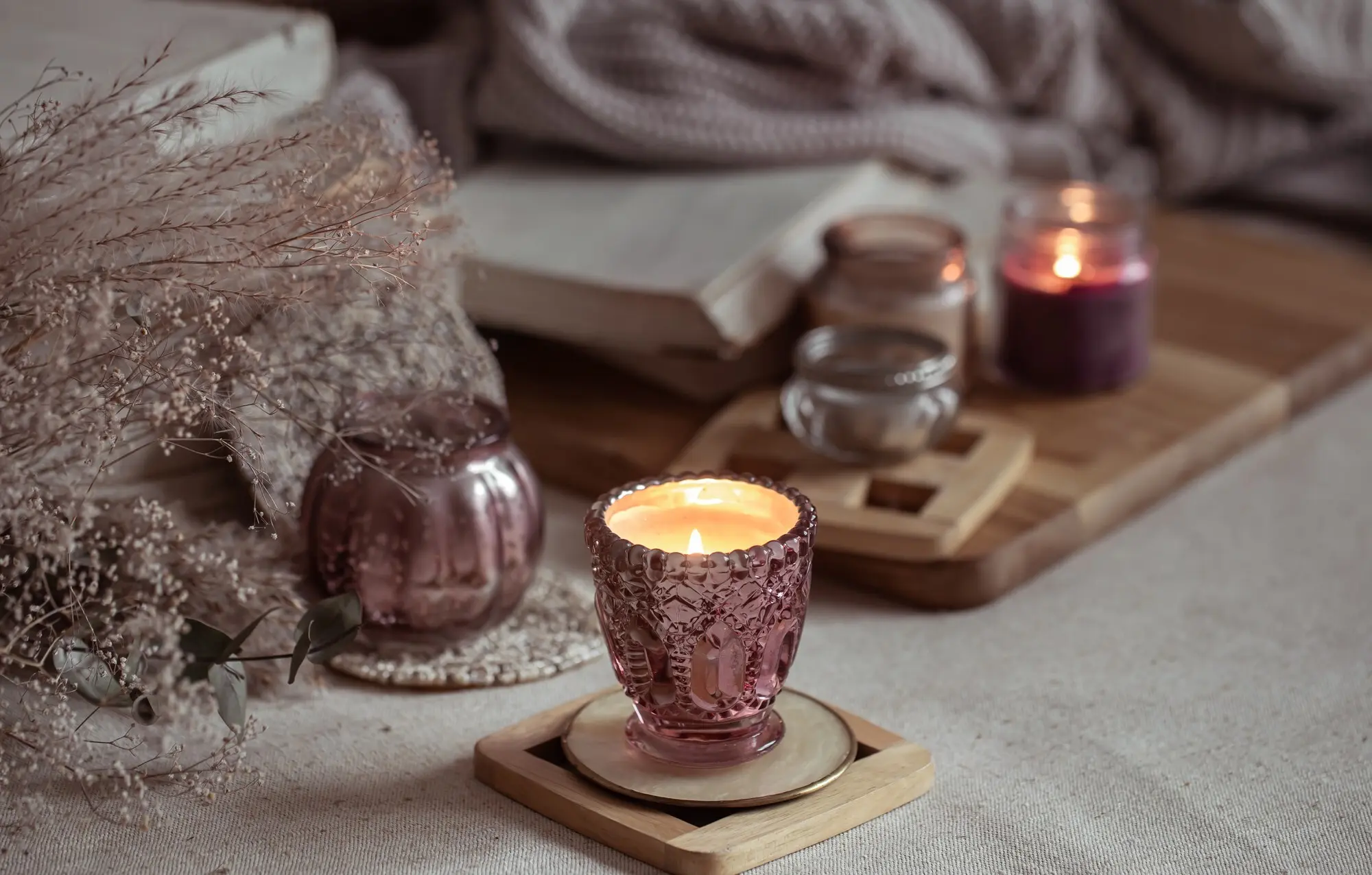
Follow IFRA guidance, SDS documentation, and local labeling laws. Use heat‑resistant surfaces, secure thermometers, and never leave trials unattended. Record max safe fragrance loads, organize spill kits, and practice proper extinguishing. Protecting people and places is the quiet backbone behind every exquisite signature label.

Storytelling through Packaging

Design That Matches the Nose

If the blend whispers linen and sea salt, choose breathable whites, soft grays, and uncoated feels. For leather and smoke, embrace weighty blacks and serif type. Visual language should preview the burn experience, building trust long before a match strikes.

Sustainable Choices with Personality

Post‑consumer labels, plant‑based inks, and refill programs meet ethics without dulling character. Makers emboss lid interiors with secret messages, weave care cards from seed paper, and source local jars. Responsibility sings loudest when it feels warm, clever, and unmistakably aligned with the blend’s intent.

Unboxing as a Memory Trigger

Aromas rise subtly when tissue opens, recalling first summers, library stacks, or mountain cabins. Include a short maker note inviting recipients to share memories by email or tag. Those stories become guiding stars for future batches and limited seasonal reprises.

Community, Markets, and Loyal Fans

Independent chandlers grow through conversations—at pop‑ups, slow Sundays online, and newsletter replies describing candlelit rituals. Small‑batch drops reward early supporters and protect quality. Transparency about delays, ingredients, and test burn lessons builds loyalty that outlasts trends and turns each new release into a warm neighborhood reunion.
Miravarodarikento
Privacy Overview

This website uses cookies so that we can provide you with the best user experience possible. Cookie information is stored in your browser and performs functions such as recognising you when you return to our website and helping our team to understand which sections of the website you find most interesting and useful.